Tag: lists

  • Banner Ad Design: 14 Tips for Beginners

    Be honest – how many hours a day do you spend online? No need to answer, but from a marketing perspective, it’s clear that online advertising is the way to reach new customers. There are many, many ways to do this, not least of which is the humble banner ad! 

    Banner ads are often rectangular or banner shaped ads which appear on other websites. They’re great for boosting your traffic and reaching new audiences. However, internet users today are exposed to so much advertising that they have become “banner blind” and actively ignore all ads. Yup, If you’re new to design, creating a banner ad which grabs attention without irritating potential customers may seem like a daunting task. Fear not – we have 14 tips that will bring you from beginner to pro in no time.

    ~ Before you begin ~

    1. Get to know the software.

    If you’ve never designed a banner (or anything!) before, don’t worry – designing banner graphics is not as complicated as it sounds! The easiest option is Banner Snack, a paid design software which helps people with no artistic or coding skills create perfect banners. 

    Adobe Illustrator gives you a blank canvas, while Photoshop which helps you edit and embellish existing photos. To design HTML 5 files, try Google Web Designer and Adobe Animate

    Don’t worry if this is all new to you – there are plenty of resources online to help you get your design off the ground. 

    Play around, practice, and remember, design is a process. Your banner graphic doesn’t have to be perfect the first time

    1. Learn the principles of design.

    If you’re planning to grow your brand and design more ads in the future, it’s worth investing time in learning the basics of graphic design. To learn more about a particular area of design, consider taking a MOOC (Mass Online Open Course – usually free!). There are thousands to choose from, but courses such as Graphic Design, Ideas from the history of Graphic Design, Color Theory & Image Formats, Basic Elements of Design & Software and Communicate Your Ideas Through Storytelling & Design are just some great places to start!

    1. Start on paper.

    If you’re a good artist, start on paper. Sketch all your potential ideas. This is a “low fidelity” design (it can easily be erased, changed and played around with), so let your creativity flow. When you’re happy with your design, upload it to Illustrator to edit (see this handy tutorial from creativebloq). Keep all your sketches – who knows what they might inspire later on!

    1. Define your goal. 

    Design can reflect the tone of your ad. If it’s urgency – for example, a flash sale with unbelievable discounts – consider using flashing or bold colours to convey this. If your brand is all about calm, consider slower moving, gentler graphics. If you want to drive traffic to your site, you need a good “hook”, or attention-grabbing incentive to make people click. Think about what you want to achieve and centre your design around this.

    1. Do some market research.

    Pay more attention to the designs on banner ads you see everyday. Cover the logo, and see if you can guess which brand the ad is promoting – if so, that’s recognisable, consistent branding! Look at the ads your competitors have designed. What images, colours and associations are they using? Learn from them, but be original – don’t blend in or copy anyone’s ideas. You want your banner graphic design to stand out for all the right reasons. Make sure your brand is recognisable, and that most consumers would guess what kind of product it refers to.  

    ~ Technical details ~

    1. Get the size right.

    Most websites offer “standard sizes” for advertising space. Keep your design to these dimensions to make sure it fits.

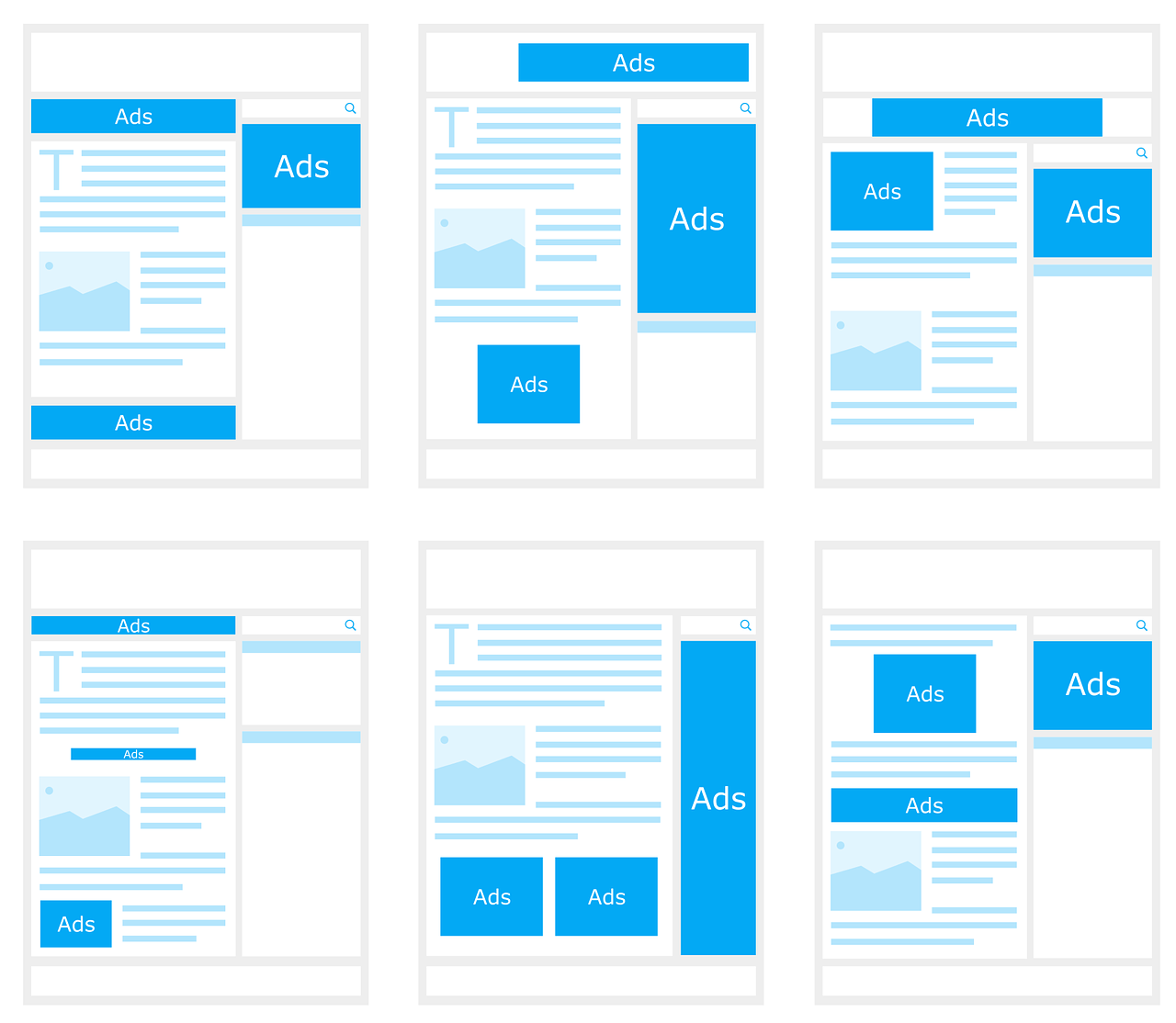
    Also, prefer file sizes small where possible. These designs load faster – most customers will have already scrolled past by the time a “stuck” ad loads! To find out what size your ads should be, check out this list of the 10 Highest Performing Google AdSense Banner Sizes. Try to design ads which fit in the dimensions and are eye-catching in the ad spaces offered on most websites:
    1. Consistent branding 

    Consistency is extremely important in marketing. Essentially, you should use the same elements and themes in all your banner designs, just tailoring them to fit the banner sizes pictured above. Consistency helps consumers recall and recognise your brand, as well as saving you time at the design stage! When brainstorming, stick to versatile slogans and designs which can be used across your marketing mix. 

    Your ads should use the same wording, fonts and imagery so far as possible. (Showcasing different products to different customers is possible with Google Ads – read “Google Ads for Beginners” to learn more!)

    Take a look at this seamless example of consistent branding:

    1. Structure is important.

    If you’re caught up with designing an amazing banner graphic, you might forget the obvious. Double check that your banner graphic design:

    • has a clear brand name and heading
    • Has a distinct call to action
    • Is easy to understand
    • Leads to the right place if clicked (if the customer clicks on a certain product, don’t send them to your “About” page, for example!)

    ~ Get designing! ~

    1. Colour

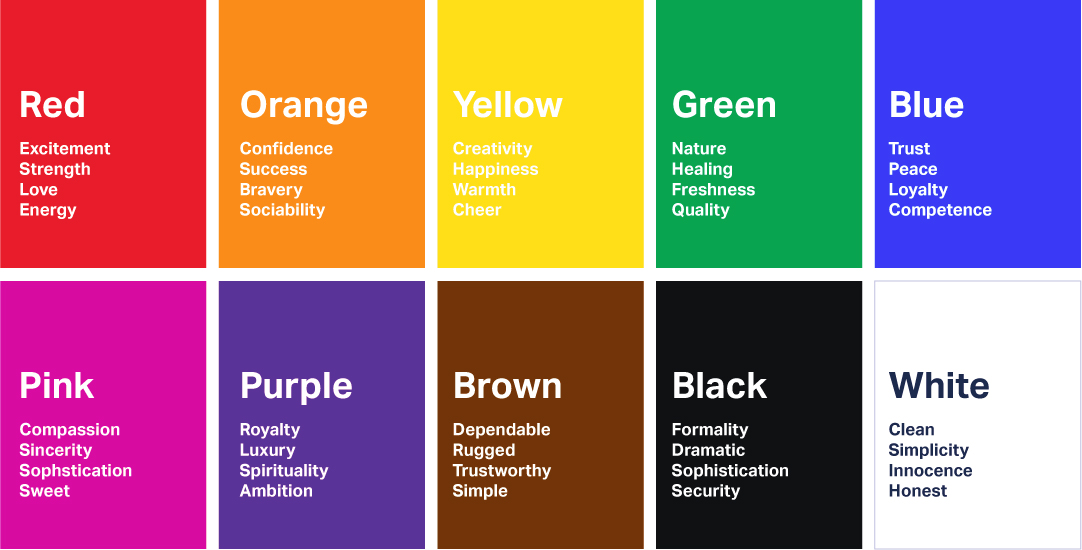
    Embrace colour theory when designing a banner graphic. Research suggests that 90% of “snap” consumer decisions (like clicking on a banner ad!) are related to colour and the associations implied. 

    Your design should reflect your brand’s values and use colours which convey the right emotion. Research colour associations in the culture(s) you are marketing to, and look at the designs used by dominant brands. 
    Source: TastyAd.com

    Red suggests love, passion, appetite, speed, and urgency, which makes it a great colour for brands like Tinder, McDonald’s and Netflix, but not so for a mindfulness app or health brand. Grey is the preferred colour of minimalist technology brands like Apple – so choose grey to piggyback on their high-tech brand associations. Keep your target customer in mind at all times: colour preferences even vary between men and women.

    1. Images 

    If you plan to use images other than your brand logo in your banner graphic design, make sure you have legal copyrights to use them. As “hilarious” as stock photos may be, they aren’t worth getting into legal calamity over! Use your own images, or commission a graphic designer to create something unique to your brand.

    1. Use flashing and animations sparingly 

    Be extra memorable, not just extra. Do you remember those awful homepages people had in the ‘90s? Learn from their graphic design blunders. Avoid flashing hundreds of images – most people won’t look at your ad long enough to see the message at the end! Animations or graphics on banner designs should flash no more than 3 times, and end with a call to action (for example, flash three of your products, and end with “50% off now at X!”). Keep your design simple, minimalist and uncluttered for maximum effect.

    1. Fonts 

    Everyone hates Comic Sans – there’s even a movement to ban it. It’s awful letterfit and poor spacing are associated with childish, tasteless design. On the other hand, Helvetica is minimalist, professional, and arguably the world’s most loved font. It even starred in its own movie for all you design nerds out there.

    It’s important to keep your brand’s values and ad tone in mind when choosing a font. The key is to choose a font that is readable, recognisable and right for your brand. For something unique, Adobe Fonts and 1001 Free Fonts are a great place to start. If you choose different fonts for your logo and call to action, make sure they fit will together.

    Lastly: don’t use fonts smaller than 11px, unless it’s something unimportant to viewers, like a copyright declaration – great design is lost if potential customers have to stop and strain their eyes to see it!

    1. Frame your work.

    No, we don’t mean frame it, or put it on your refrigerator – but why not, if you want!

    Our eyes are naturally drawn to designs which stand out from the background or are “framed”. If the background of your design is white, put a 1-pixel wide grey border around the edges. This is too small for most people to notice, yet your design appears to stand out, even if the website’s background is also white! Avoid pop-ups or features which “spill” out onto the main page, as these will only irritate viewers.

    1. Last step: ensure your downright stunning banner graphic gets seen by the right people! 

    Reaching the right audience is crucial. It’s a good idea to show your design to potential customers and see how they rate it. What do they think the ad is for? Do they like the design? Would they stop to look at it in detail?

    Once you’re sure you’re on to a banner design winner, decide who you want to market to, and then, where you want to advertise. Google Ads will help you identify areas your ads could be improved, and A/B test your designs to find which one appeals to your target customer. You can also upload “assets” (design elements like images, phrases, etc) and let Google trial them in different combinations.  If you aren’t already using Google Ads, check out “Google Ads Guide for Beginners”. 

    So there’s more to Graphic Design than just MS Paint. If this overwhelms you, don’t worry! Everyone has to start somewhere. Start with the basics, and get comfortable with the software. Research associations and don’t be afraid to experiment before settling on design themes. Keep your brand’s vision and goals in mind, and you’re sure to create a banner graphic design you and your team can be proud of.
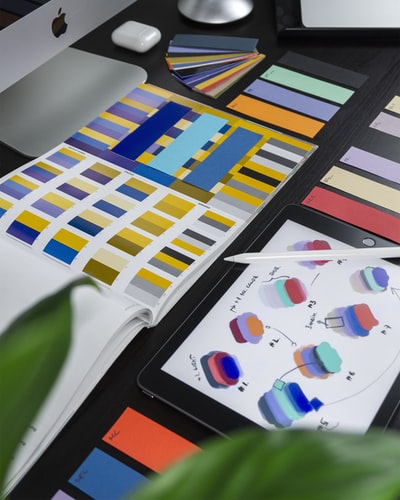
  • 11 Tips for Product Designers

    11 Tips for Product Designers

    Note: Product design used to mean designing physical products, but today it usually involves technology in some way, whether it’s designing an app, interface, or other service. 

    People underestimate the importance of good product design, because truly good design is invisible. Seamless, perfect, user-centred design fulfils all our needs without ever causing a problem. Bad design, on the other hand, is irritatingly memorable for all the wrong reasons. 

    The best product designers innovate, solve problems, and deliver the results of this to the user.

    Good products are intuitive and easy-to-use. If you have an amazing idea, how can you get started?

    Lean UX Design is a philosophy based on Toyota’s Lean Production technique. It approaches product design with a simple plan:

    1. Understand the problem.
    2. Brainstorm solutions.
    3. Create something that can be tested.
    4. Evaluate.

    .. and go back to step 1 if needs be!

    Let’s run through the steps and explore some tips to help you optimise your product design.

    Step 1: Understand the problem.

    Design is essentially problem solving. Ask yourself a lot of questions and design a product which answers them all.

    1. Research the market.

    You can’t have a business without a customer. Who is your target user? Research the market and see what your competitors are doing. Would you be able to sell this product?

    See what opportunities exist (gaps in the market – is it growing? Or saturated?) as well as threats (similar products or changes in trends). Understand market trends and what’s already been done. Where is the industry going? Design a product to fill the gap.

    1. Know your user and their needs.

    The first thing to think about is what context the customer would use your product in. Will they be listening to your traffic-update app while driving? Better install voice commands and make it simple to use hands-free. Is your health tech product for doctors or for patients to use at home? How much knowledge can you assume the user has? Beware of this when writing the instructions. 

    It’s safe to assume your customer is in a hurry and wants to spend as little time figuring out your product as possible. List the main tasks they will use the product for and make sure there aren’t any obvious design flaws – the Carelman Teapot is famous for its terrible product design.

    Anyone see the problem here??
    1. Offer something unique.

    Constantly evaluate your product’s features and try to offer some value your competitors do not. One of the infinite ways to do this would be creating a more environmentally friendly product, saving people a lot of time, or introducing a concept which reduces the need for other products. Google CEO Larry Page coined the phrase “toothbrush test” – if your product is unique, useful and needed at least once a day, it’s worth pursuing. Are your competitors failing to provide in one key area, or for a particular type of customer? 

    2. Brainstorm

    1. Keep it Simple.

    Less is more. Simple, intuitive products can be used by people of all ages, cultures, and backgrounds. Avoid “over-designing” or using unnecessarily complicated features. 

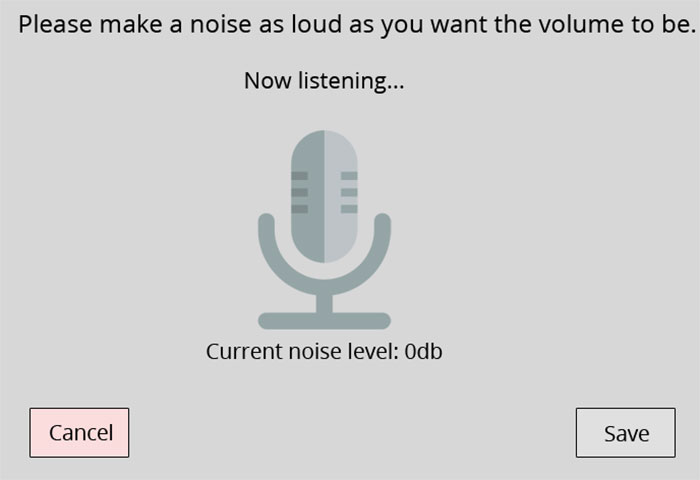
    Prioritise “function over features”. For registration, sign-in or payment forms, make sure your format is at least as simple as that of your competitor. Keep questions clear and require minimal work on the user’s part. Resist the temptation to do something clever or avant-garde. There are plenty of awful interfaces out there. Just look at this extremely impractical volume change interface that no one would ever want to use in public. 

    1. List  your WORST ideas.

    Have you come up with dumb ideas in the past? Now is your time to shine! Interaction Design recommends starting your brainstorming session by listing out the worst possible ideas. This will help you identify what customers do NOT want and problems you could avoid. You may come up with a good idea by accident, or at least think of some product features you wouldn’t have otherwise! If you’re designing a website or user interface, take a look at UserInYerFace. This one-page website is deliberately designed in the most user unfriendly way possible, and should give you an idea what NOT to do.

    1. Learn from the design pitfalls in your everyday life.

    Some people are product designers, but we’re all users, and we’ve all had a frustrating experience with a product. Is there a service you closed your account with? Did you delete an app because it was so hard to navigate? What brands do you avoid? Why? When you’re researching or ordering a product online, evaluate the website’s ease-of-use. Make a list of all the frustrating or other off-putting experiences you encounter as a user, and learn from these designer’s mistakes. How will your product do better? This video from a disgruntled customer gives examples of poor design on well-known online services:

    1. Broaden your perspective.

    Read, research and upskill using books, podcasts, and blogs. Learn as much as you can about areas such as web design, psychology, business, engineering, graphic design, and related industries. Great ideas, or at least, new perspectives, should come naturally. This will also help you understand team members at other stages of the product life cycle. Learn to “design for manufacturing and assembly” – some amazing ideas are just not possible from an engineering point of view. 

    1. Collaborate. 

    People who work in different industries can have different ways of looking at the world and organising ideas. Diversity is an asset, so learn from other people’s perspectives. Hubspot actually launched a product in only 11 weeks thanks to collaborative, agile product design teams. Hubspot  product designers are also “decentralized”, working as part of a team with non-designers. This encourages communication, and working together from the get-go helps avoid problems later on.

    1. Get to work!

    Rome wasn’t built in a day. If you have an idea, start small and put pen to paper. You can figure out the complicated aspects later on – just get to work and make something happen!

    Use sketches, diagrams and blueprints to design your products. For user interfaces, use UXPin, which lets you easily create mockups. Draw wireframes (pictured below), and explore different ways of laying out your app. Early concepts are called “low fidelity designs” because they can easily be changed, built on, and developed. Don’t be afraid to make mistakes, and dive right in.


    Step 3: Create something that can be tested

    Bring your idea to life with a mockup or prototype. Testing it will help you avoid problems later on. Optimising for usability now will help users get the most out of your product design.

    1. Understand how consumers perceive your product.

    You can’t always predict what problems users will encounter. Understand the “User Mental Model” – the user’s perception of the product and what it’s used for. Show the product to someone who isn’t familiar with it. Ask them what words they associate with it, how they think it’s used (if they guess right, your design is intuitive!), and what they would use it for.  

    1. Invite target customers to test the product

    Conduct online surveys, interviews, or Beta Tests. Ask your target customer to do a task (i.e, find and purchase a product on the app) and note what difficulties they encounter. How long did they take? Would they recommend it to a friend? 

    Identify areas they might find frustrating. Think about what else they might try to do (save to a wishlist for later? Send to a friend? Read reviews) and aim to make this as easy as possible.

    Interestingly, most men can’t guess what women’s beauty products are for. Choose testers who are prospective customers for optimum results.

    4. Evaluate.

    Pro-tip: It’s easier and cheaper to make changes early on. Avoid the “sunk cost fallacy” and don’t waste time finishing a flawed product design just because you’ve spent a lot of time on it. Instead…

    1. Embrace Responsive Design and learn from ***constructive criticism***.

    Stay humble, and as Don Norman says, “accept human behaviour the way it is”. A product idea could be amazing, but it will never be recognised as such if it’s so difficult to use that people don’t buy it.

    If your target customer doesn’t understand something, take it as a sign that a lot of others won’t either. Even if you’re proud of your design, accept that because you created it, you automatically understand it. A survey by User Testing, a company offers live feedback from potential customers, found that while 75% of companies believe they’re customer centric, only 25% of customers agree! 

    The best piece of advice to take from this article is to keep an open mind and learn from your mistakes. Very few people create an amazing, world-changing product design on their first attempt. Where did you go wrong in the past? Don’t dwell on mistakes, just learn something that you can apply in the future. Once your product is launched, invite feedback, and make sure it’s easy for customers to get in touch in-app or online and communicate any problems they have. 

    Take all these into account for any future product design projects, and you’ll be well on your way to becoming a great product designer.

    Have you designed a product? What did you learn from the experience? What should first-time product designers keep in mind? 

    And.. what are the best and worst product designs or user interfaces you’ve seen? 

    Share your thoughts in the comments! 🙂

  • 10 Things to do in Debrecen, Hungary

    10 Things to do in Debrecen, Hungary

    Steeped in history, Hungary’s second-largest city Debrecen oozes with culture. Christened “Calvinist Rome”, Debrecen is an extremely important city in the region’s history, having served as the Hungarian capital not once but twice – during the Hungarian Revolution (1848-1849) and again at the end of World War Two (1944-45). 

    Today, Debrecen’s unique energy and youthful vibe make it a must-see destination. Step off the beaten path and explore our top picks in this often-overlooked city – 

    Visit

    1. Kossuth Square – Do not miss the magnificently colourful Kossuth Square, right in the heart of Debrecen. Home to a range of historic buildings, from old merchant’s houses to art nouveau galleries, the square is also the centre of all festivals happening in Debrecen – whether it’s the August flower festival, a traditional Hungarian Christmas, or unique artisan events such as “Chocolate day” and “Turkey day”.
    1. Debrecen market – if it’s a bazaar you seek, look no further than Debrecen market’s impressive collection of local foods and crafts – including glass jewellery, porcelain, crystal, antiques, and delicious traditional snacks at sweet prices.
    1. Debrecen plaza – Treat yourself to some well-deserved luxury at a reasonable price in Debrecen plaza – this historic building is bursting with great deals on designer clothing, accessories, and perfume, with prices often 50% lower than at home.
    1. GoLocal’s “Behind The Iron Curtain” Walking Tour – Have you ever wondered what it was like living behind the iron curtain? Let an insider fill you in on what life was really like in key parts of this city in times gone by.
    1. Aquaticum – Enjoy a quintessentially Hungarian experience at Aquaticum’s wellness spa and baths. Volcanic soils in the region infuse the water with healing properties to help you rejuvenate after a late night on the town.
    1. Hortobagy National Park – This nostalgic open air museum celebrates the horsemen who once roamed the beautiful “puszta” of Hungary’s wild east. Travel in a horse-drawn carriage (or, if you’re feeling adventurous, a hot air balloon!) and marvel  the park’s rustic charm – expect equestrian performances, and a few free-roaming buffalo!

    Eat & Drink

    1. Vinyl Cafe Hanglemezbolt – It’s vintage vibes galore at Vinyl Cafe Hanglemezbolt. The cafe-shop boasts over 6500 vinyl records, and offers a hearty lunch menu.
    1. Butiq – The only music bistro in Debrecen, Butiq combines youthful energy with a gorgeous, rustic interior. Enjoy high-quality food, whiskey, and wine, as well as experiencing live music and local cultural events.  
    1. The Ruin bar – Hipster chic reigns in this uber cool ruin bar. Located in a formerly abandoned historic building, this venue is a chill cafe by day and a quirky, festival-esque spot for alfresco dining and live music by night.
    1. Vino Market Bar Szakuzlet – This bar is a one-stop shop for both wine enthusiasts and craft beer aficionados. Local wine tastings can be organised for groups of 6-15 people.
  • If you loved “Normal People”, don’t miss these 5 edgy novels by Irish authors

    If you loved “Normal People”, don’t miss these 5 edgy novels by Irish authors

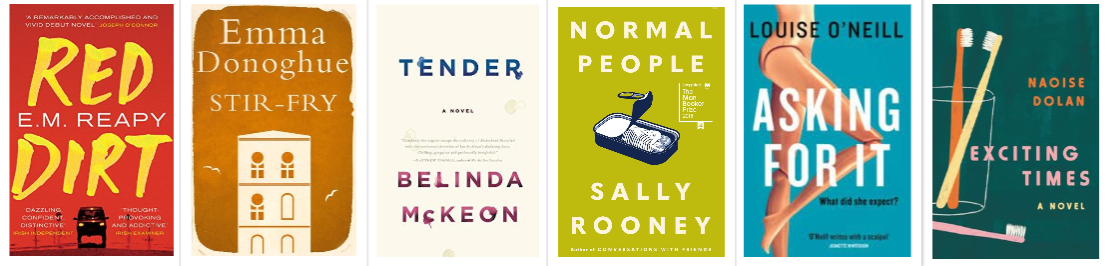
    “Normal People” by Sally Rooney is arguably the most widely-discussed book in Ireland today – and not just because of its “scandalous” sex scenes! Read on for 5 recommendations for Irish novels with fresh perspectives on the often uncertain, but undeniably ~interesting~ years known as our 20s.

    Exciting Times by Naoise Dolan

    This debut novel from 27-year-old author Naoise Dolan shot to the top of the bestseller list when it was released in April. The novel follows Ava, a fresh college grad who jets off to glitzy Hong Kong to teach English. Although its angsty narrator may be likened to the characters in Normal People, this book is entirely unique in its very philosophical exploration of post-college life.

    Ava’s unstable sense of self, anxiety and pain complicate her affairs and she inevitably becomes entangled in a love triangle. A thought-provoking read about how we define ourselves, others, and the world around us, Dolan has consolidated her reputation as one-to-watch on the Irish literary scene.

    Red Dirt by E. M. Reapy
    Src: Goodreads

    Red Dirt by E. M. Reapy

    The grittiest book on this list, Red Dirt is the dramatic story of three 20-something drifters fleeing recessionary Ireland for Australia in 2008. At times bleak, this novel explores the hardship and pain of “Tiger Cubs” who found themselves coming-of-age in a shattered economy.

    The novel combines familiar images of fruit farms and raucous parties with shocking violence and even a murder – a raw read, this book takes a new perspective on the immigrant experience, the distances we travel to find ourselves, and how we relate to the people we meet along the way.

    Tender by Belinda McKeon
    Src: Goodreads

    Tender by Belinda McKeon

    Catherine, an insecure college student in 1998 Dublin, is instantly enamoured with James, a charismatic photographer who seems to embody the brooding artist aesthetic. However, it isn’t as simple as boy-meets-girl – James doesn’t love her, and is struggling with his sexual orientation in an Ireland where homosexuality isn’t yet accepted.

    This book perfectly captures how it feels to fall in unrequited love, and explores the mistakes we make growing up – painful and awkward as they may be. The book has also been praised for its treatment of mental health, and the “fine line between helping someone and hurting them further”.

    Stir Fry by Emma Donoghue

    Emma Donoghue is the acclaimed author of “Room” and one of Ireland’s most internationally known authors – however, her debut novel “Stir Fry” doesn’t get the praise it deserves. Set in the ‘90s in an unnamed Dublin university, the novel follows Maria, an awkward and shy “culchie” trying to settle in to life in “The Big Shmoke”. When Maria’s enigmatic older roommates reveal that they are in fact a lesbian couple, the innocent girleen starts to question her values and treads doubts about her own sexuality.

    Published at a time when homosexuality and divorce were not yet legal in Ireland, this is a timeless and relatable story about first love, friendship and finding yourself in a new city.

    Asking For It by Louise O'Neill
    Src: Goodreads

    Asking For It by Louise O’Neill

    Asking For It was a breakout hit for acclaimed Irish author Louise O’Neill. The book has been adapted for the stage and rights have been sold to adapt this poignant, topical novel in to a TV series. The main character is a “popular” and “bitchy” 18-year-old girl in small-town Ireland, who is raped by members of the local GAA club. The situation escalates as the community side with the team and her reputation is destroyed.

    An uncomfortable and piercing read about a fragile small community, this story of an unsympathetic protagonist becoming a victim was extremely timely and essential reading for anyone who wants to understand rape culture in Irish society today. 

    I’m sure there are a lot more great books by Irish authors – if you have any other recommendations, share them in the comments below!

    Also: If you have any recommendations for funny/uplifting books by young Irish authors, I’d love to hear from you – I’m hoping to write a couple of posts about these! 🙂