Category: Proptech

  • Coliving Insights: 5 Ways to Add Value for Tenants

    Coliving is on the rise. Around 180,000 people move to Berlin each year (src), and this is likely to increase thanks to the ever-expanding career and study opportunities on offer in the city. With so much competition for apartments, coliving is an increasingly popular option.

    We know coliving is on the rise, even in smaller cities, but we don’t know a lot about coliving tenants. Why do they choose coliving? Why do they leave? And importantly, how could we make them want to stay?

    Let’s run through coliving residents’ 5 most common likes and dislikes, then conclude with 5 tips on how to add some value and diffrentiate in this competitive market space.

    Perceived advantages of coliving

    1. Meet new people

    This one seems like a no-brainer. Almost all participants cited meeting new people and developing friendships in a new city as the main advantage of coliving. Especially for newcomers, the opportunity to join an inbuilt community is a key value-adder.

    Src

    1. Intercultural experiences

    Several participants mentioned interesting cultural exchanges, learning new perspectives, and practicing foreign languages as a positive aspect of coliving. Events which encourage socialising and exchange are a huge benefit. Some participants found a new favorite dish, or became interested in a new sport or hobby thanks to exchange with other tenants.

    1. Borrowing & sharing items

    For young professionals who own few assets, moving to a new city or country with limited suitcase space means dwindling one’s possessions down to the bare essentials. Living with others creates a family-like atmosphere, where residents can borrow, share, or buy items together, dividing the cost and accessing things they otherwise could not afford. Large kitchens, gyms and coworking spaces were cited as benefits of coliving. 

    1. Help and services

    Participants recalled times they faed problems with the administration in a new country, became sick in an unfamiliar health system, or needed help finding the service they needed. Having so many others in a similar situation nearby is a form of support network. Residents also noted friendly staff and guides to local services as extremely helpful in their early days.

    1. Less energy intensive

    More eco conscious residents appreciated the less energy intensive nature of coliving. Studies have found that coliving residents produce 20% fewer emissions than those living alone.src Sharing facilities and utilities with a larger number of people means the individual impact of each person is reduced. Lastly, minimalists appreciate the shared facilities which make use of idle capacity (no appliances lying around unused) and remove their need to purchase new, resource-intensive products.

    Clearly, there are many positives to coliving’s value proposition. However, there are no shortage of pain points, or potential areas for improvement.

    1. Noise

    Noise was the number one complaint made by coliving residents. Several suggested that insulation between rooms needs to be improved. Parties were a problem, but the everyday coming and going of other residents often disrupted their work. Many would prefer to live on quieter floors or with fewer people.

    1. Hygiene

    Unsanitary kitchens and badly kept communal spaces was the second most common complaint. It seems maintaining a cleaning schedule is complicated when a large number of people are involved. Feeling unable to relax in a messy space, or irritation with neighbours responsible, were one of the main reasons coliving residents considered moving to a new place.

    1.  Slow internet

    Slow internet and poor connection was a commonly cited complaint of coliving residents. Those working from home found the situation particularly frustrating, as there is high pressure on the limited bandwidth during working hours.

    1. Different lifestyles

    With students and young professionals often mixed together, some lifestyle differences are guaranteed. Residents described how different schedules and lifestyles can harm interpersonal relationships. Some residents host parties midweek or stay awake far later than others, disrupting their roommates’ sleep and causing tensions. Disagreements and tensions were one of the main motives for moving out of a coliving space.

    1. Different values

    Similarly, some participants described frustration at roommates who don’t recycle, overuse energy, or otherwise impede on their roommates’ efforts to live in a more environmentally friendly or organised way. Miscommunication and ignoring agreed upon rules were common issues.

    It seems there are both advantages and disadvantages to living in coliving – but as a provider, what could you do to improve your offering?

    Quiet apartments: Give tenants the option to choose “quiet apartments”. By grouping all quieter-living tenants together, you avoid noise complaints or conflicts, which often result in tenants moving out as soon as possible. Grouping more social tenants together also adds value, and reluctance to leave their new friends could result in longer stays.

    Cleaning plans: Providers could create some kind of cleaning plan, or include an optional maid service. Given that almost all tenants complained about dirty shared spaces, it seems keeping the communal areas tidier would drastically improve overall tenant satisfaction.

    Insulation: Investing in insulation between rooms will not only reduce energy bills, it will reduce noise and reduce conflicts between tenants.

    Rental services: There is significant demand to borrow or rent more items from the coliving provider. For tenants located in Berlin for a short time, it does not make sense to buy items like ironing boards, bicycles, or baking supplies – however, they would be willing to pay a small fee to rent these once-off.

    Connect with the community: Tenants described feeling overwhelmed after arriving in a new city. Helpful staff were appreciated, but coliving providers could take this one step further by partnering with local restaurants or businesses to offer discounts for tenants. A handbook featuring “everything you need to know” to settle in to life in Berlin would help any frazzled new arrival feel at home in no time.

    These insights are based on the findings of a focus group involving 11 coliving tenants in the Berlin area. Of course, there are always more ways to innovate and improve the coliving space. We would love to hear your experiences and suggestions!

    Retrac is a SaaS solution for inventory management. We understand that for coliving spaces with a high volume of tenants, keeping track of assets can prove time-consuming. Visit our website Retrac.de to learn more about how we can help you reduce waste, prolong your investment, and gain insights to manage more efficiently in the future. 

    We are always glad to hear from providers and learn more about their experiences. Feel welcome to book a call with us any time. 

  • Furnished apartments in Berlin: 3 Key Investment Trends

    Germany has a long tradition of renting. 55% of people rent their primary residence, the 2nd highest figure across all OECD countries (only Switzerland has more renters!). (src) In the past, most Berliners rented their apartments for decades and managed all upkeep themselves. Nowadays, there is an ever-growing demand for furnished apartments for short term rent

    Let’s take a look at some reasons for this seismic shift, and explore the key trends investors should note to succeed in this rapidly expanding market:

    The Sharing Economy

    To begin with an often overlooked societal trend — the move away from traditional ownership, and new emphasis on sharing or borrowing assets. Young Millenials and Gen Z prioritise having access to services when they want them, rather than owning a home or car: a trend called “uberisation.” (source) This generation expects to relocate often and find it impractical to buy a home or furniture. Some are voluntarily minimalist and “asset-light”, moving on quickly and only owning items they truly need.

    What does this mean for the market? While minimalists may seem challenging to market to, investors are reading these signals and embracing change. Instead of lamenting millennials’ resistance to buy, investors should back new business models which capitalise on the desire to share and rent. Shared bicycles, communal gardens and sports facilities are all features young renters are willing to pay more for.

    Coliving, a residential community model which offers furnished micro-apartments alongside larger communal shared spaces, is a solid trend. Global funding in the coliving space has increased by more than 210% annually since 2015 (source), with providers such as Habyt, Quarters and GoLiving attracting large numbers in Berlin. From an investment perspective, coliving spaces add more value to small spaces. Individual coliving apartments in Berlin have a median size of 21 sq m and cost 618 euros per month (inclusive of all costs). This equates to approximately 29€ per sq m, considerably more expensive than traditional renting. However, the tenant is willing to pay a premium for the valuable shared facilities. Around 4% to 10% of total space is dedicated to communal areas, (source) and the opportunity to socialise with other newcomers further increases the appeal.

    src

    International tenants

    Frequent location changes and international moves have created an entirely new demographic of tenants. Berlin’s population is growing by around 60,000 people per year, and if current trends continue, it is estimated that around 250,000 people will move to Berlin in 2030. (source) Around one-quarter of the city’s population are expats, internationals who relocate to Germany from other countries, with the German government estimating 1.2 million more people would be needed to fill the “skills gap” in key professions, it seems only logical that the number of newcomers will increase in coming years. (src) As well as all that, Berlin frequently tops the list of best destinations for digital nomads — people who work remotely and relocate to different countries to experience new cultures. With remote work likely to stick around, it seems the already high demand for first-time flats is set to soar.

    What does this mean for investors? Well, with the housing stock in Berlin already under pressure, it is wise to invest in the kind of housing these incoming expats are looking for. With no payslips, SCHUFA and often no German skills or local connections, apartment hunting is a very daunting experience for expats. This is why many internationals prefer to reserve furnished apartments online before even arriving in Berlin, and “settle in’’ comfortably while they search for a more long-term apartment.

    This is a significant change from the physical apartment visits and negotiations of the past. However, changing norms create a host of opportunities for Proptech startups and investors. From Fypp, metasearch engines which help apartment hunters find a place before even arriving in Berlin, to VR software and digital contract services, digitalisation is the key trend. Managing large numbers of properties effectively and often remotely is another area of opportunity. We can expect to see an increase in automation, smart home and CAFM in the furnished apartment space.

    Smaller units, shorter lets

    While older generations always sought to “trade up” and gain more space for longer periods of time, it seems today’s tenants are leaning toward smaller, temporary units. Right now, the average millennial moves jobs every 2 years. There is little incentive to put down roots and accumulate assets. (source) This is likely related to demographics, and a higher number of single, highly mobile people — the average age at first marriage is now 33 years, and 72% of Germans aged 25–30 are single src. Delaying or opting out of marriage and raising a family means less demand for traditional, spacious family units and more demand for smaller, short term living arrangements.

    What does this mean for the market? It will not come as a surprise that the number of one-person households in Germany will rise to 44% by 2035 — totalling almost 19 million households. Investors are poised to meet the needs of this steady market. The number of one-room apartments rose by 11% between 2010 and 2018, 2.5 times the growth of the overall apartment stock. (src) Investors are preferring to hedge their bets on larger numbers of smaller units, rather than just a few luxurious ones.

    Units with less than 25 m² are the most frequently requested in serviced apartment blocks, (source) and the federal government even agreed to invest €120 million in micro-apartment expansion in 2017 (src). This is a wise investment — micro apartments can sell for as little at €100,000, and a special mortgage rate of 1% can apply to buildings constructed with the use of the latest energy-efficient technologies. Financial institutions are even offering lower interest rates for micro-apartments as they are relatively liquid, with a high turnover and ever growing demand.

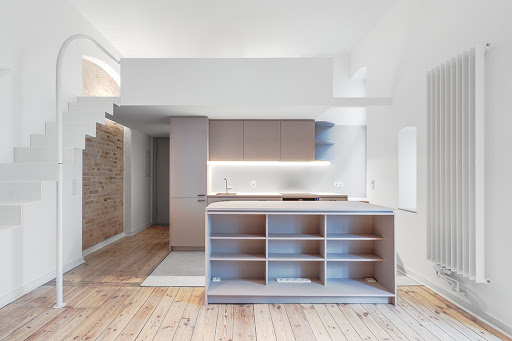
    Micro Apartment in Schoneberg — source Paola Bagna (creative commons license)

    An Opportunity & A Challenge

    Without a doubt, this is an exciting if turbulent time to expand any coliving, student accommodation or other temporary rental property. Growth seems guaranteed, but preparing for new ventures requires a great deal of planning, and, sadly, a lot of operational headaches!

    Managing furniture and other assets in an expanding building may seem like a daunting task for even the most experienced operations manager. Sourcing, buying, delivering, and installing furniture is one feat, but maintaining it and managing repairs is another.

    Reco could be the solution. This furniture leasing company rents furniture by the month to business clients in the Berlin area. Just select the style of your choice (Bohemian, Industrial or Scandinavian) and they supply everything you need to fully furnish an apartment, all at an affordable price, freeing up your capital for other ventures. The company operates a circular business model and emphasises repair or replacement, while offering you the option to try a new style at the end of your contract if you wish. If you don’t want to say goodbye to the furniture, there’s also the option to buy it — huge flexibility at a small price.

    When it comes to managing your inventory, Retrac offers a stress-free solution. Designed by industry experts, this software helps you manage all your inventory in one app. Simply stick the QR codes to your assets, scan, and see the asset’s location, repair history, supplier info, and other information. Employees can easily run inspections of full buildings, and log incidents for maintenance. Receive quality updates when items are in need of repair — saving you money on emergency repairs. Most impressive is the BI dashboard, which keeps track of all costs, stats and tickets — and even provides you with insights on how you could optimise operations in the future.

    For more updates on these exciting startups, follow Reco and Retrac on LinkedIn.

  • Why choose a furnished apartment?: Adding value for the tenant

    Here at Retrac, we stay curious and constantly up to date with trends in our client’s space. We have already explored why furnished apartments are becoming popular, and investment trends grabbing investor’s attention, but what are the advantages for tenants?

    In this post, we take a look at the tenant’s perspective. Understanding what is most valuable to tenants is crucial in this competitive market — going above and beyond to offer something extra is often what differentiates a super provider from the pack!

    The core value proposition — While past tenants often rented for long periods and preferred to bring their own furniture, many modern tenants plan to stay for a short while, and appreciate furnished apartments. Standard furnished apartments come with the basics, like a bed and desk, while fully furnished apartments often include extras like crockery, appliances or towels.

    src

    Flexibility — As the average millennial changes jobs every 2 years, it seems frequent location changes are to be expected. Uncertain projects and temporary jobs may mean that modern tenants are unwilling to commit to a 3-year lease like past generations did. Many newcomers use furnished apartments as a “base” while they settle into their new life, and eventually search for their own apartment. Providers can offer flexible contracts with short notice periods to facilitate these often unexpected moves and short stays. This low commitment approach encourages tenants who are unsure of their plans and may attract more bookings than a locked-in but seemingly higher-yielding contract.

    Reserve in advance — 60,000 people move to Berlin each year, and this is expected to rise to 200,000 by 2050. With its relatively low cost of living and bohemian edge, Berlin continues to attract more and more expats interested in working in the vast range of companies located here. In response to this demand, many providers now offer digital tours and an option to reserve rooms online before even arriving in Germany. This helps expats rest assured they will have a quality place to stay upon arrival. As it seems likely expat numbers will grow in the future, providers should invest in marketing internationally and making their booking and onboarding process as digital as possible.

    Design — Modern, tasteful design adds another dimension for prospective tenants. When faced with similar options, most flat hunters will choose pleasant surroundings and prefer nicely furnished flats that reflect their personality and taste. Providers should invest some time in understanding tenant’s preferences and potentially unlock new value.

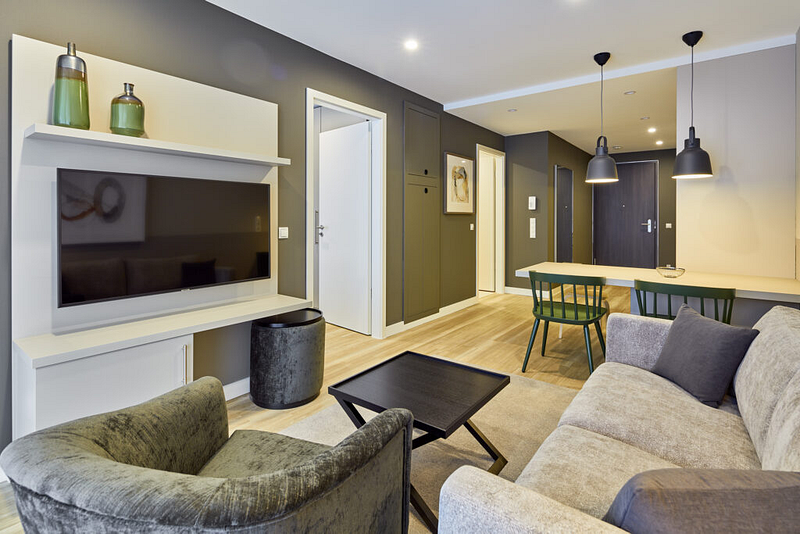
    Furnished apartment bundles from Reco

    Community — Even during the pandemic, Millennials flocked to shared spaces, even in off-the-beat locations like smaller cities and the countryside. Young, single people who move frequently are often starting from scratch and eager to make new connections. Social spaces and providers which create a sense of community offer a premium experience. There’s also a network effect — the more rooms filled, the more people, thus the more opportunity to socialise.

    Asset Light — Millennials and Gen Z are making a shift away from ownership. In a trend known as “uberisation”, they prefer to rent, borrow or share assets if and when they need them, rather than investing in assets themselves. Tenants move frequently and may not have the budget or space to accumulate goods. Minimalism and a less encumbered way of living is the future. This offers flexibility for highly mobile tenants like digital nomads, freelancers or interns. It also presents a lower upfront cost to those on a budget. A provider could differentiate itself by offering something special, for example, the Student Hotel, which provides bikes for residents.

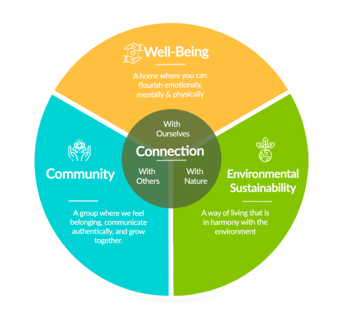
    Sustainability — Gen Z is the most eco-conscious generation yet. They are concerned about the planet, social justice, and reducing humanity’s use of natural resources. Coliving spaces, student dorms and other furnished spaces often offer an underexploited sustainable edge. Organisations such as Conscious Coliving focus on creating sustainable shared environments for this demographic. The option to share appliances and facilities with other tenants reduces the need for tenants to purchase new things, and electricity usage is generally much lower when shared in a large space. This helps reduce carbon emissions, as well as expenses.

    SRC

    Appliances — furnished apartments are far more liveable than hotels, and can feel like home. Cooking facilities and all the home comforts help tenants live self-sufficiently in a new place. Tenants appreciate facilities like coffee machines or washing machines, which save them from trekking around unfamiliar neighbourhoods looking for the services they need. Providers should get to know their tenants and understand what else could really add value to their stay.

    Services — Similarly, most furnished apartment providers include bills in the rental price. Waste collection, Wifi and things like electricity or gas are set up and handled by the provider. This takes a weight off the shoulders of newcomers who may not speak the local language or be aware of the process involved in setting these up.

    Local knowledge — Those arriving in Berlin for the first time are often unfamiliar with the city, its neighbourhoods, and other important information for flat hunters. Furnished apartment providers locate in trendy neighbourhoods and often offer help or recommendations for local businesses, bars or restaurants. This helps newcomers benefit from some local knowledge and feel they are seeing the best of their new city — an experience they would have missed in a private apartment. Larger providers could invest in activities and guides for tenants to make the most of their stay in Berlin.

    Furnished apartments are a solid investment for the future. They offer huge value to a large number of tenants, and demand is only likely to increase. While expansion is always exciting, it often comes with lots of operational headaches — especially when it comes to managing inventory. To learn how to digitise all your inventory management as well as save a lot of time and money, see our post: 10 Ways Retrac will benefit your business.

  • 10 Key Proptech Trends

    Now more than ever, the real estate landscape is in a state of disruption. 

    A new generation of highly mobile tenants (think new work, voluntary simplicity and digital nomads) expect high quality, high tech living experiences. More short-term renters means more competition among providers to differentiate and offer that added value. 

    On top of all this, COVID19 and remote culture has accelerated the digitisation of conservative industries — a new wave of solutions have appeared on the market to help manage properties. Real estate is approaching “Industry 4.0”, a completely digital way of managing its entire process. As of March 2021, there were 477 PropTech companies in the DACH Region and growing (proptech.de). Read on for insight on 10 prominent trends and key players in this exciting space.

    1. Search engines: These are the first step in the buyer journey, and perhaps the biggest change in the way buyers and sellers connect with each other. Online portals or “multi-sided marketplaces” have disrupted numerous industries — and real estate is no different. Platforms such as #Uber, #eBay, #Zalando & #AirBnB have changed the game when it comes to connecting providers and buyers. Crucially, these B2B2C companies require little capital — they don’t own the good or service they sell, and their core value comes in connecting demand with supply. Several players exist in the DACH real estate search engine sphere. With McMakler, property buyers and sellers can connect and interact with over 400 brokers. Nestpick serves as a kind of search engine for flat-hunters, who reach out to landlords on the platform. Wunderflats has the added feature of allowing tenants to pay for accommodation and create smart contracts in the app. Fypp is a meta search engine, combining listings from all these — with so many options, these comparison tools are a likely future trend in all areas of Proptech.

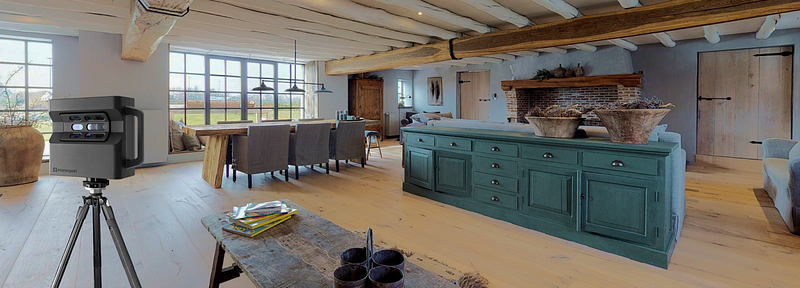
    2. Virtual reality — associated with the gaming industry, VR has many applications in Proptech, the most well known being digital home viewings. Especially during a pandemic, many tenants wish to view properties virtually before visiting in person. They may wish to view them at times outside normal work hours, especially where different timezones are involved. This is where VR comes in. “Digital twin” software such as Matterport lets landlords create virtual reality 3D tours, where tenants can “explore” the apartment. In an increasingly international market, tenants may be overseas and unwilling to travel solely to view properties. VR helps offer services to a wider range of customers, and enhance convenience for both the provider and the buyer. VR is definitely one to watch in the evolving, international Proptech space.

    src — Matterport

    3. Legaltech: Opportunities for innovation exist in the overlap between legaltech and proptech. As more and more business is conducted online, the demand for apps which facilitate signing contracts and meeting legal requirements at a distance has grown significantly. The global digital signature market is expected to grow 26.3% annually from 2021 to 2027. Smart documentation software such as MemoMeister helps you organise all your project files in the cloud. We can expect to see a growth in user-friendly technology that keeps all files in the cloud — especially in the traditionally paper-heavy property space.

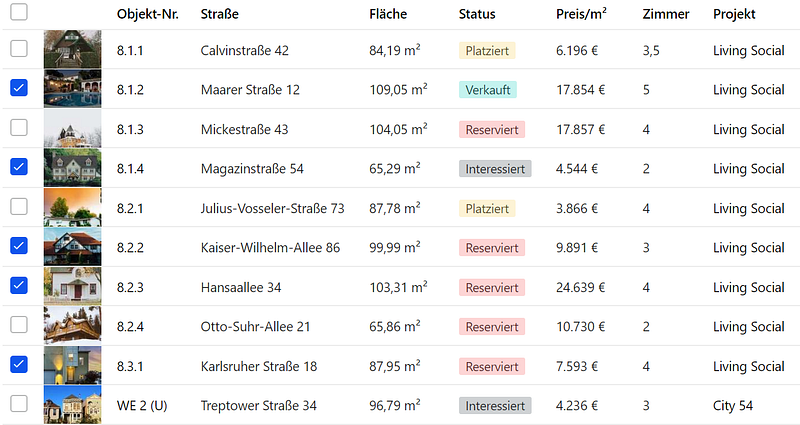
    4. Remote management — Efficiently automating businesses processes, even in conservative industries, is the name of the game in 2021. PropStack lets brokers synchronize all data in one user-friendly interface. The cloud-based nature means different team members can access all information, regardless of location. Intelligent receivables management software such as Collenda helps manage claims and workflows, while ensuring good service for the customer. For busy landlords, there is growing demand for full property management services. Home.ht takes over all landlord tasks, from new letting to tenant support and rent collection. It also saves a lot of time from the tenant’s perspective — tenants can view, book and arrange moving in all within the app. With remote culture likely to stick around, remote management and outsourcing will be a growing trend.

    src — PropStack

    5. AI: AI is a hot topic in all areas of tech — and proptech has quickly caught up. Automated customer service bots which answer questions on behalf of the realtor, or even provide home tours, are expected to become commonplace in the future. [src] Homeday even offers an algorithm for valuing properties. In the future, we will see more and more complicated or tedious tasks taken over by AI. Not only does this free up the realtor’s time, it helps customers make faster and more informed decisions. In the future, it seems AI will take over more and more of the monotonous tasks, so employees can focus on dynamic areas which need a human touch — like strategy, customer relationship management, and innovation.

    6. Automation: Automation has endless uses in the Proptech space. “Smart home” automation technologies appear to be a win-win solution. As short term tenants expect energy and bills to be bundled into the rent, the onus is on providers to find energy efficient solutions for their buildings. Keeping these operational costs low enables property owners to offer favourable rates to their tenants — a competitive advantage. IoT Proptech services provide a distributed service to easily and effectively manage this key component. Smart Home Berlin enables tenants to control lighting, ventilation and room temperature from their smartphone.

    src — Smart Home

    Which brings us to another prominent trend –

    7. Sustainability: Controlling consumption and analysing data to see where energy is being lost is an added benefit for both tenant’s wallets, and the environment. Clearly, as eco-conscious Gen Z move into the workforce and rental spaces, we can expect increased attention to sustainability, particularly when it comes to technological solutions. Sustainable startups are springing up right, left and centre, catering for the ever-evolving needs of asset light, environmentally conscious consumers. Reco offers a sustainable furniture rental service, allowing landlords to benefit from short or long term rentals rather than buying. More globally, the organisation Prop Tech for Good is dedicated to technological innovation in line with achieving the UN sustainable goals. We are likely to see a move toward leasing, borrowing and sharing in the property space as the “uberisation” of assets continues.

    8. CAFM: “computer aided facility management” is the umbrella term for any software which helps manage a property’s logistics more efficiently. Inventory management services such as Retrac keep track of all furniture. With its innovative QR code system, all you need to do is stick the barcodes to your inventory, and scan them to see repair history, notes, and maintenance needs. All this info is compiled in a convenient BI dashboard. The app even provides quality updates and alerts when items are likely to need repair or refurbishment, prolonging the product lifespan and helping managers to avoid emergency, expensive repairs. This smart, “predictive management” is another likely trend in CAFM.

    9. Data-driven decision making — everyone knows data science is the future, and real estate is no exception. As we have seen, data analytics are increasingly used in identifying and predicting new market opportunities. Analytics platforms such as realxdata compile all your data and offers holistic insights and market analysis. The BI dashboard keeps track of all stats, saving users time they would have otherwise spent sourcing and crunching numbers. Finding creative ways to collate and visualize data in a digestible, actionable way will be a key area of opportunity in the future.

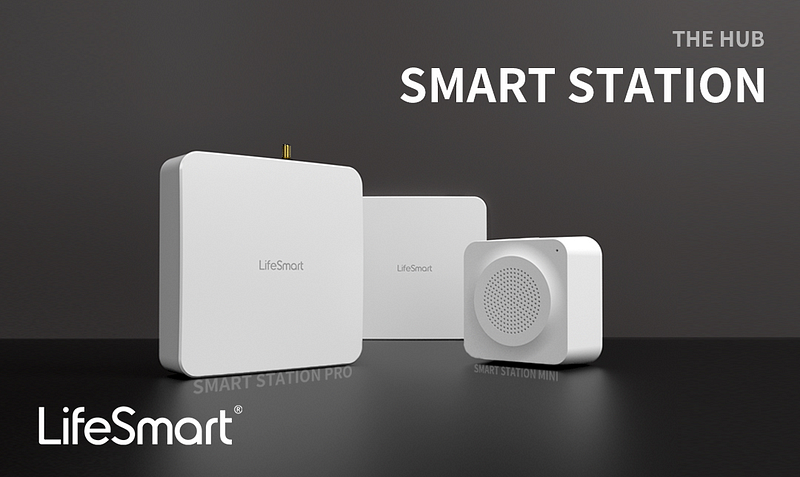
    10. Security — Security and privacy are increasingly areas of concern for the tech industry. Cybersecurity, hacking, and fraud have long been issues — but even those with little interest in technology are aware of security risks in their home. New technology to ensure your building’s security is constantly evolving. LifeSmart IoT offers remote monitoring and intrusion alarms, smoke/leak detection, and video surveillance. All details can be monitored in the app, even remotely. Proptech has changed home security, and we’re sure to see more exciting developments in the next few years.

    src — LifeSmart